
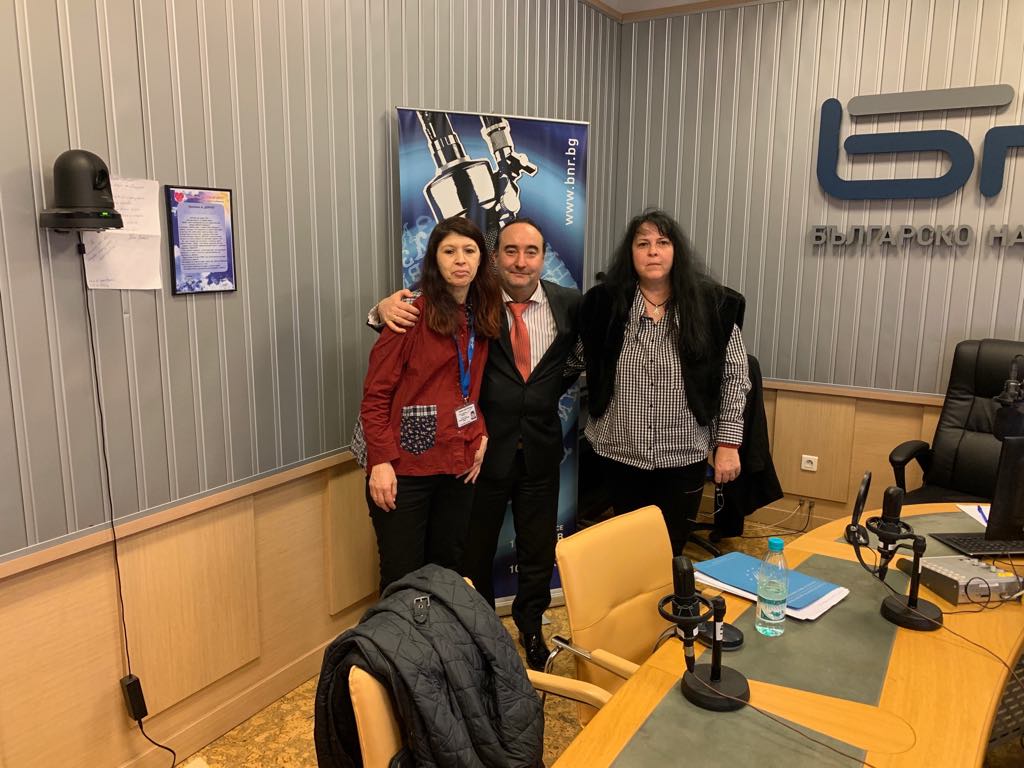
The so-called Fuels Act, whose entry into force was postponed, is an example of how members of parliament circumvent the requirements of the 2016 regulatory reform for impact assessment and public consultation on bills. This was said on the programme “12+3” by Tony Dimov of the Center for Regulatory Impact Assessment, which publishes an annual monitoring report on compliance with the legal requirements related to mandatory impact assessment and public consultation in the adoption of new normative acts.
Dimov said that in the period 2017-2018 the problems in this respect had deepened, and the National Assembly was being used as a fast track for adopting laws that will have an unclear impact on society.
“One phenomenon is the paradox. To give importance to his draft proposal, a member of parliament says that it would affect the whole nation. Then he submits his bill with a single page saying ‘There will be no impact’. Other phenomena – copying like schoolchildren; impact assessments on a conveyor belt – only the name is changed; the copy-paste phenomenon. In the first, fledgling year, when mistakes are possible, we were lenient enough,” Dimov said.
“The new phenomena point to the next level of inventiveness in circumventing the law. The ‘0+1=2’ phenomenon. Impact assessment requires first considering the baseline option, ‘do nothing’, and comparing the possible future effects of the proposed regulatory interventions with it. How would social relations develop if we simply left them as they are, and how if we intervene? Good practice says that at least two other options should be considered. The Bulgarian member of parliament considers only the baseline and one other option, to reinforce how important it is to regulate,” added the legal expert, according to whom the “baseline option” should be considered as a priority because of the abundance of regulation in Bulgarian legislation.
“The National Assembly is used as a fast track, as the hole in the system, as the place where things can be sent down the slide when there is no time for them to be considered by the Council of Ministers through the inter-ministerial coordination procedure and with public consultations. Why does the National Assembly not hold public consultations when the law obliges it to? Because of the haste. Members of parliament have no time to listen to their voters,” Dimov said.
He added that the Fuels Act had created “an unimaginable absurdity in the legal world”. The proposals for its amendment and supplement were put forward without any discussion and with an impact assessment stating that small and medium-sized enterprises would not be affected and no administrative burden would be imposed.
After it turns out that this is not true, but the law has already entered into force, ways are sought to postpone it by delaying the secondary legislation – the ordinance on the register.
According to Dimov, the institutions still do not understand the point of mandatory impact assessment and public discussion of bills.
Listen to the whole conversation here.